What should I do if my car breaks down in a Pittsburgh tunnel?
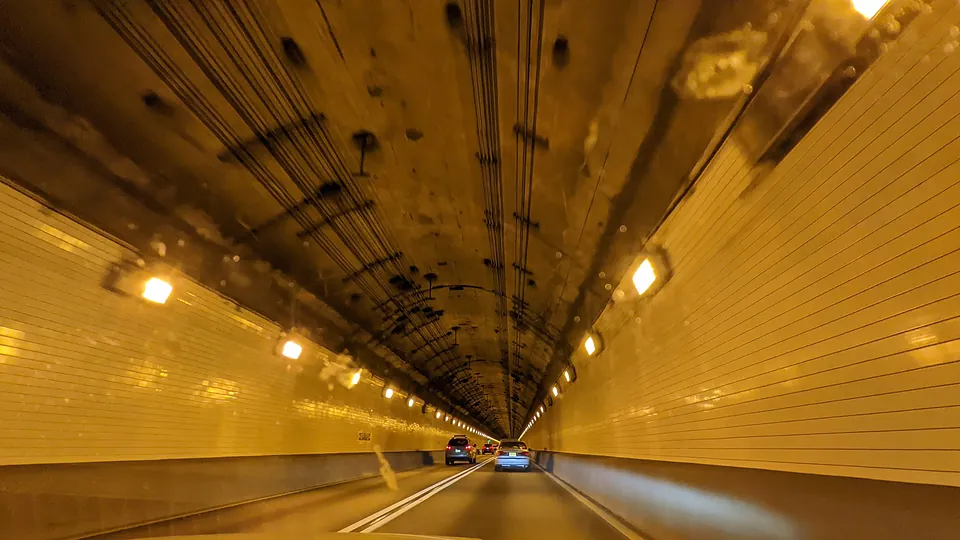
Turn the hazards on, keep your seat belt fastened and stay in the car unless you see smoke or fire. Call 911 to report a stopped car in a tunnel lane. Tunnel crews watch the tubes on camera and can close the lane behind you.
Don't try to walk out along the roadway. Traffic in the tubes is close and loud, and drivers coming in from daylight see poorly for the first few seconds.
Once the lane is protected, the car is cleared out of the tunnel. Then it can be fixed or towed somewhere safe. That's the point to call this line, with the tunnel name and direction.
If the car stalls just before a tunnel entrance, stop on the shoulder there instead of trying to coast through. A car that dies halfway through a tube blocks a lane with nowhere to go, while a car stopped short of the portal can often be reached from the shoulder.
How many emergency exits do the tunnels have?
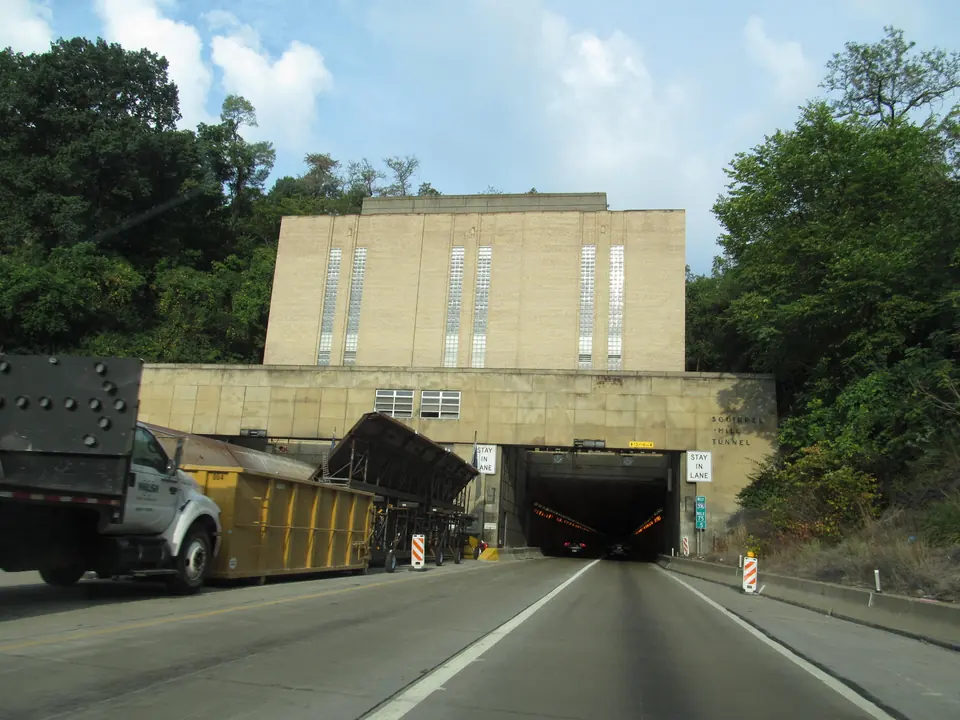
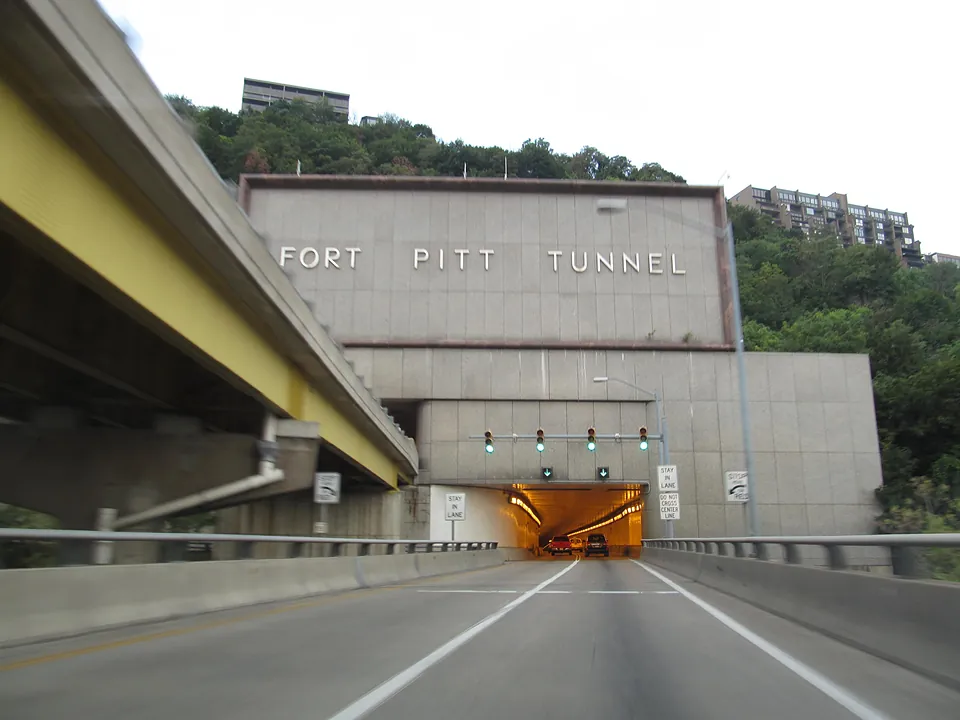
Each tunnel has two tubes joined by cross passages marked by numbered doors. According to PennDOT tunnel staff quoted by TribLive, the Fort Pitt Tunnel has seven, the Squirrel Hill Tunnel eight and the Liberty Tunnel eleven. They're for getting out on foot, not for cars.
Use a cross passage only if you have to leave the car because of fire or smoke. Walk to the nearest numbered door, go through to the other tube, and wait there for crews.
The same reporting found PennDOT responds to an average of 36 incidents a week at the Fort Pitt Tunnel, 34 at Squirrel Hill and 12 at Liberty. Stalls in these tubes are routine for the crews who work them.
Which tunnels and bridges see the most trouble?
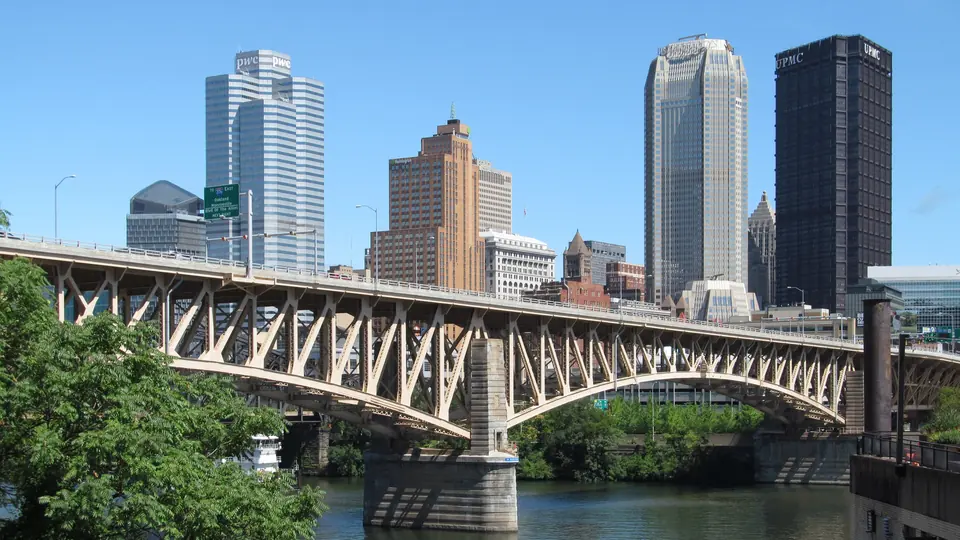
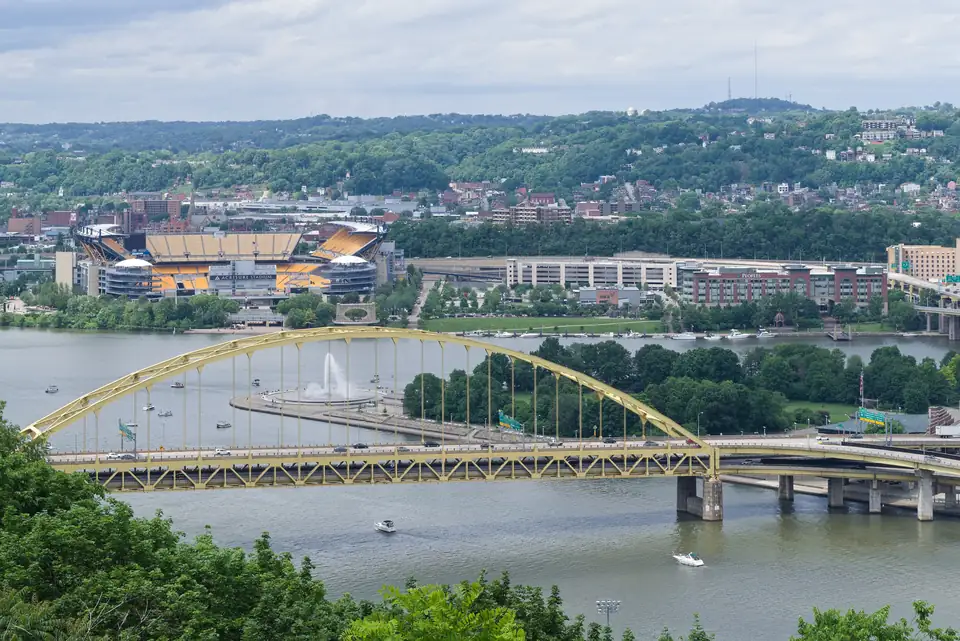
The Fort Pitt Tunnel and Fort Pitt Bridge on the Parkway West, the Squirrel Hill Tunnel on the Parkway East and the Liberty Tunnel feeding the Liberty Bridge carry the heaviest traffic and the most stalls. Their approaches have little room to pull over.
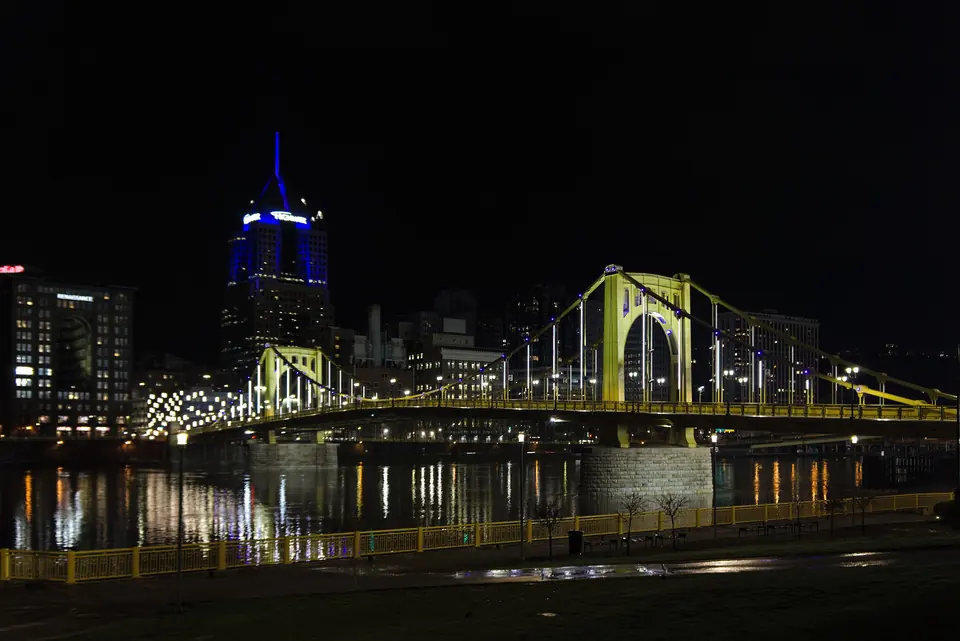
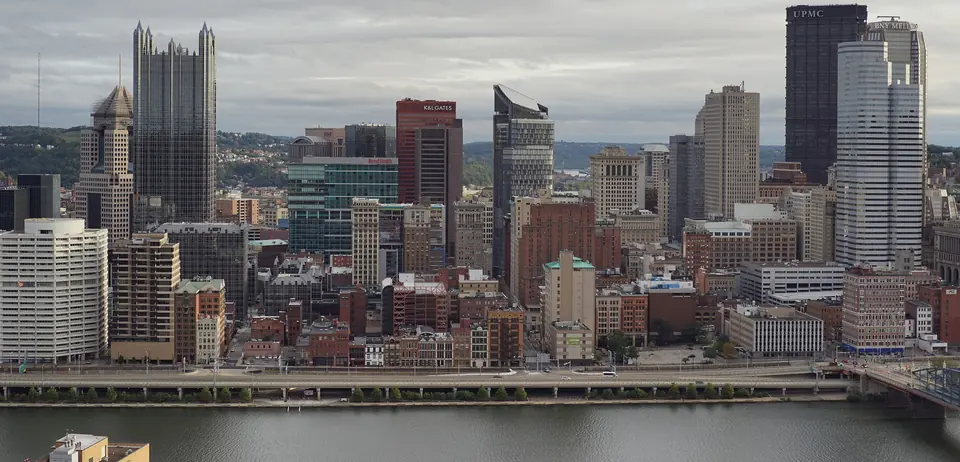
The Fort Duquesne Bridge carries the Parkway North across the Allegheny. The yellow Three Sisters, the Roberto Clemente, Andy Warhol and Rachel Carson bridges, link Downtown to the North Side. All of them have narrow shoulders or none.
Inbound traffic toward the Squirrel Hill Tunnel and the Fort Pitt Tunnel backs up at rush hour. A car that overheats or runs low on fuel in that crawl is the classic Pittsburgh breakdown. The fuel delivery page has more on it.
What should I do if my car stops on a bridge?
If the car is still rolling, coast off the bridge before stopping. If it stops on the deck in a travel lane, put the hazards on and call 911. Stay in the car with your belt fastened unless there's smoke or fire.
On a bridge with a sidewalk, getting out to the walkway on the side away from traffic can be safer than staying in a car that might be hit. Use your judgement and move only when traffic is clear.
Once the car is off the bridge, it can be helped where it stands or towed.
How does Pennsylvania's Move Over law protect a stopped car?
Pennsylvania's Move Over law covers a disabled vehicle showing at least two of three markers: hazard lights, caution signs or traffic devices such as a triangle, and road flares. Drivers approaching must move over a lane, or slow down when they can't.
Hazard lights alone are one marker. A reflective triangle placed well behind the car makes two. That's one reason to keep a triangle in the trunk.
PennDOT's page on the law lists the markers and the penalties for drivers who don't move over.
How do I know if a tunnel is closed before I drive?
PennDOT's 511PA site and the 511 phone line show closures, crashes and lane restrictions on the parkways, including the tunnels. Check before a drive through the Fort Pitt or Squirrel Hill Tunnel, especially in snow or late at night.
Tunnel maintenance closures often run overnight and on weekends. A closed tunnel sends traffic onto city streets and other bridges, where a stall has more room but the drive takes longer.
If the car is already giving warning signs, a warning light or a low tank, fix that before the tunnel. See battery service and flat tire repair.
Why do the Pittsburgh tunnels back up so often?
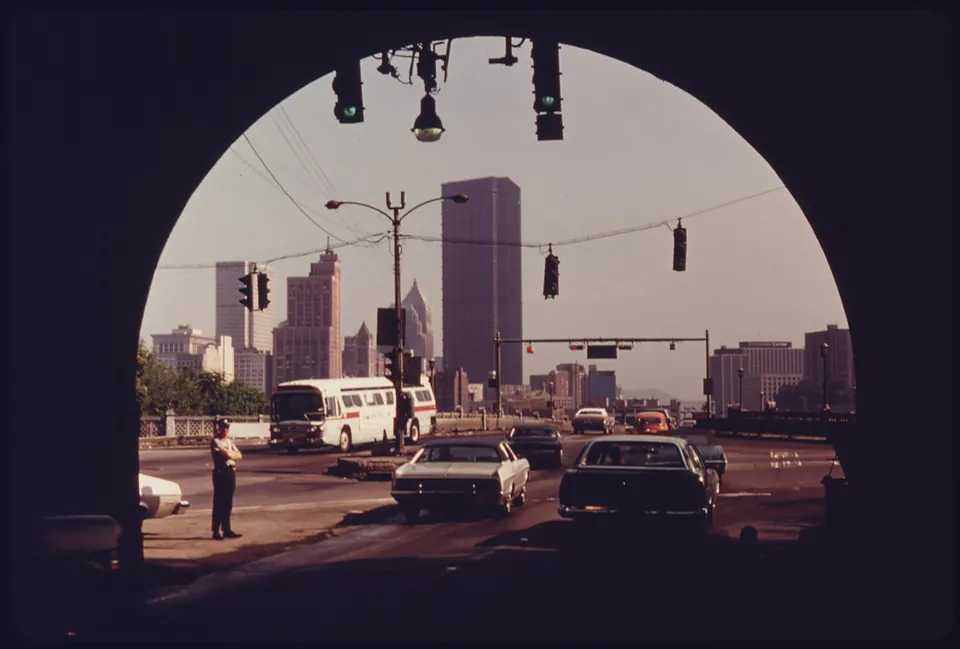
Lanes merge at the tunnel entrances, drivers slow down entering the tubes, and the tunnels sit on the main parkways in and out of Downtown. A single stalled car or crash in a tube stops traffic behind it, often for miles.
Outbound traffic through the Fort Pitt Tunnel exits straight onto the Fort Pitt Bridge, and the merge there is short. On the Parkway East, the Squirrel Hill Tunnel funnels traffic from the eastern suburbs into the city.
Breakdowns are one cause of the backups as well as a result of them. A car that overheats in the queue can stall in the tunnel itself.
What should be in the car before a winter tunnel drive?
A charged phone, enough fuel for a long crawl, a warm layer, and a reflective triangle. Check the battery before the first hard freeze. A car that is ready for a long wait in traffic is far less likely to stall in the tube.
Clear snow off the roof and lights before you drive. Snow sliding onto the windshield in a tunnel is a hazard for you and the drivers behind.
If the forecast calls for snow, check 511PA for closures before you leave and plan another route if a tunnel is closed.
What should I tell the roadside operator after a tunnel stall?
Give the tunnel or bridge name, the direction (inbound toward Downtown or outbound), where the car was moved to, and what happened. Say if police or PennDOT crews are with the car and if it has already been moved off the road.
A short, clear description helps the right truck come once to the right place. Then the car can be fixed or taken where you want it.