How does emergency fuel delivery work?
You call with your location and fuel type. A roadside truck brings a few gallons in an approved can and pours it into the tank, enough to reach the nearest station. If the car won't restart after fueling, the operator checks why before leaving.
Fuel delivery is meant to get you to a pump, not to fill the tank. Plan the drive to the nearest station before the truck leaves, especially on a parkway where the next exit with a station may be a few miles on.
You pay for the fuel and the service call. Ask for the total on the first call.
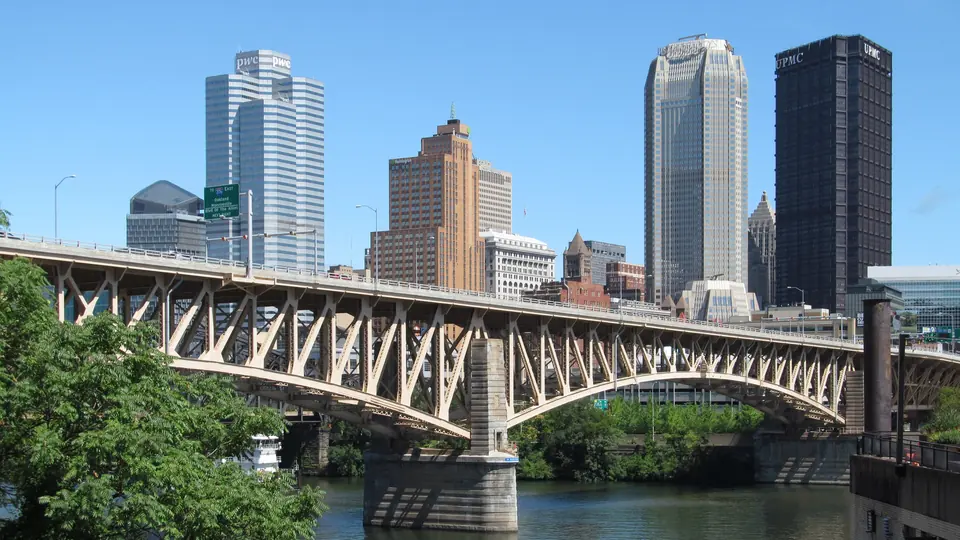
Fuel delivery helps most on the stretches where walking to a pump isn't an option: the parkways between exits, the approaches to the tunnels, and the long climbs out of the river valleys. On a city street with a station a few blocks away, it may be quicker to walk there with a proper can, as long as you leave the car parked legally and safely. On a highway, stay with the car and call.
Can you deliver diesel?
Say diesel on the call. Diesel needs a separate can, and a diesel engine that ran completely dry may need its fuel system bled before it will start again. That takes longer than pouring in fuel, and on some vehicles it needs a shop.
Putting gasoline in a diesel, or diesel in a gas car, is a different problem. Don't start the engine. The tank needs draining, which is a shop job, so the car gets a tow.
Why do cars run out of gas on Pittsburgh roads?
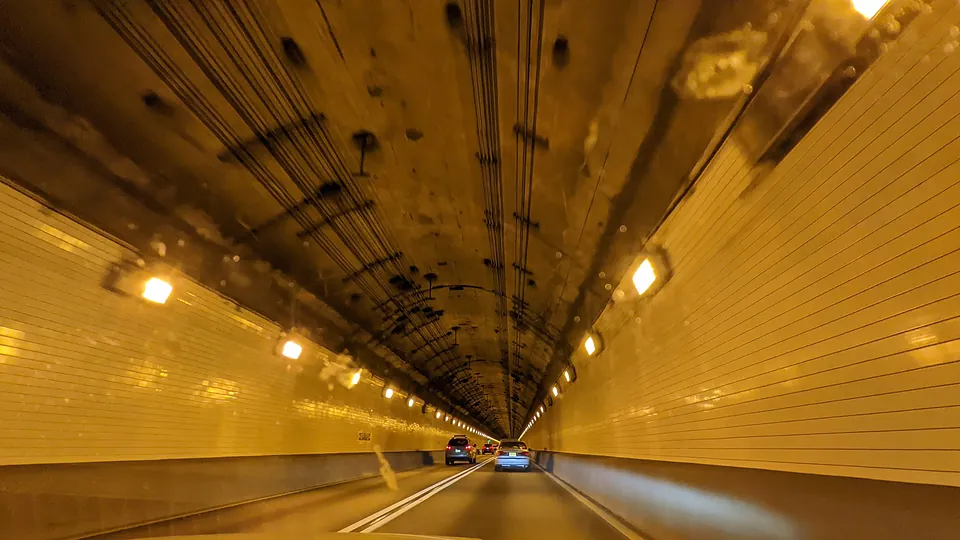
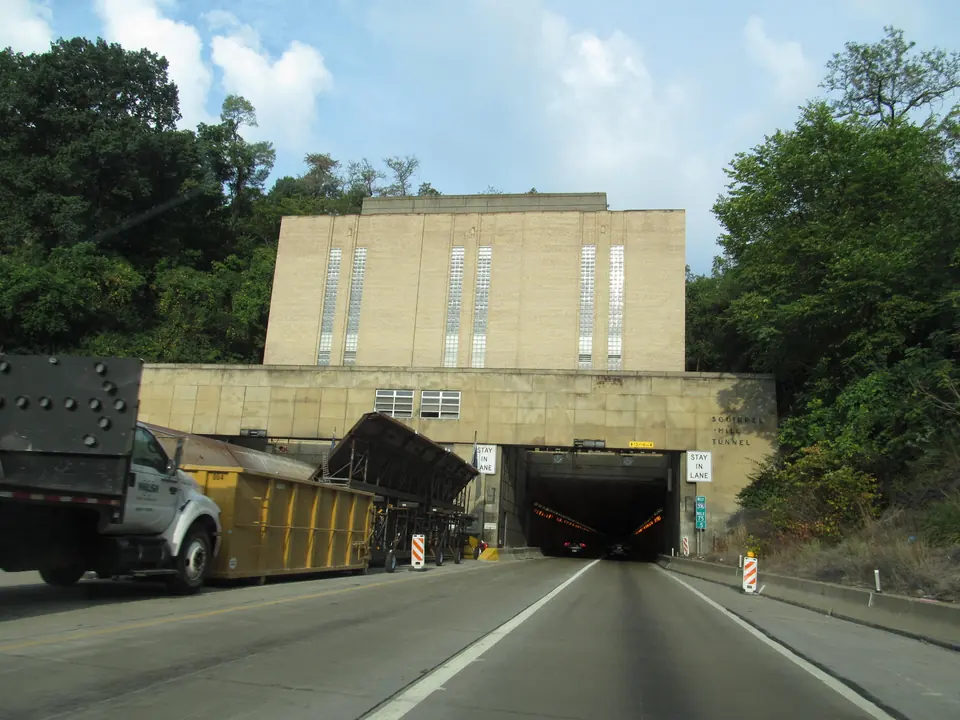
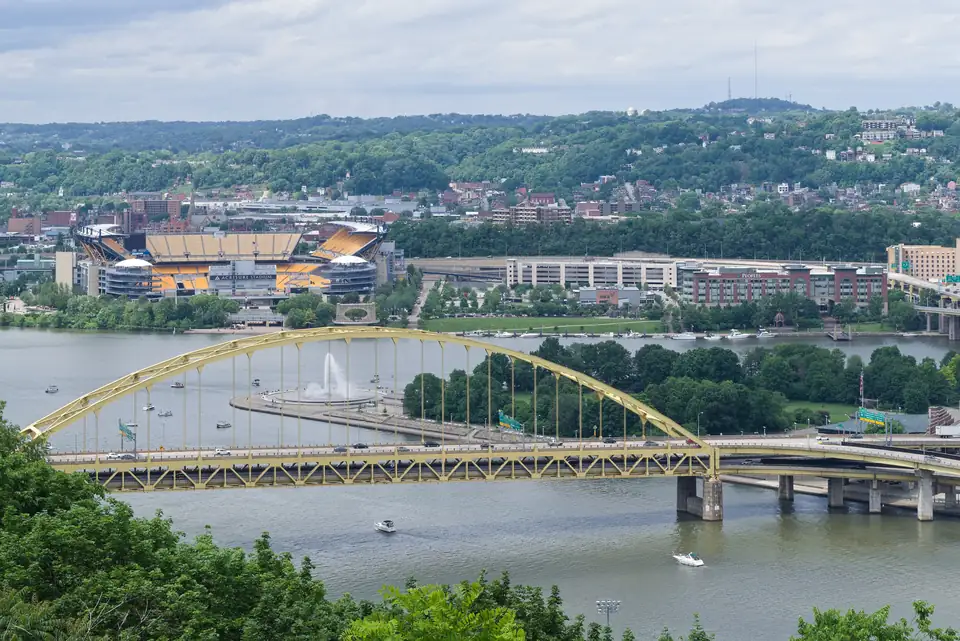
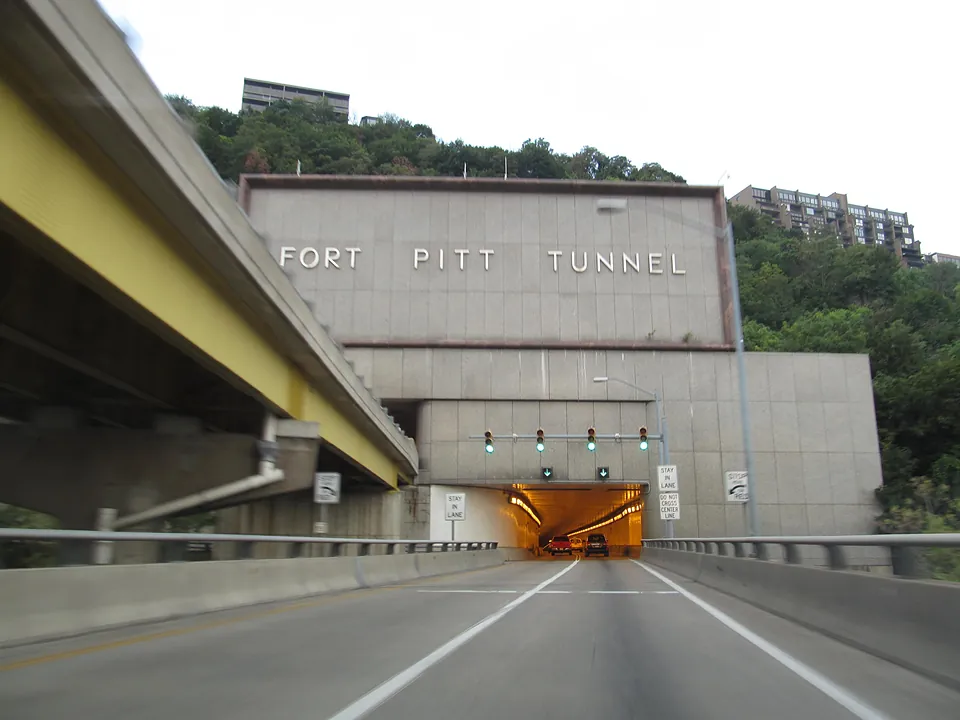
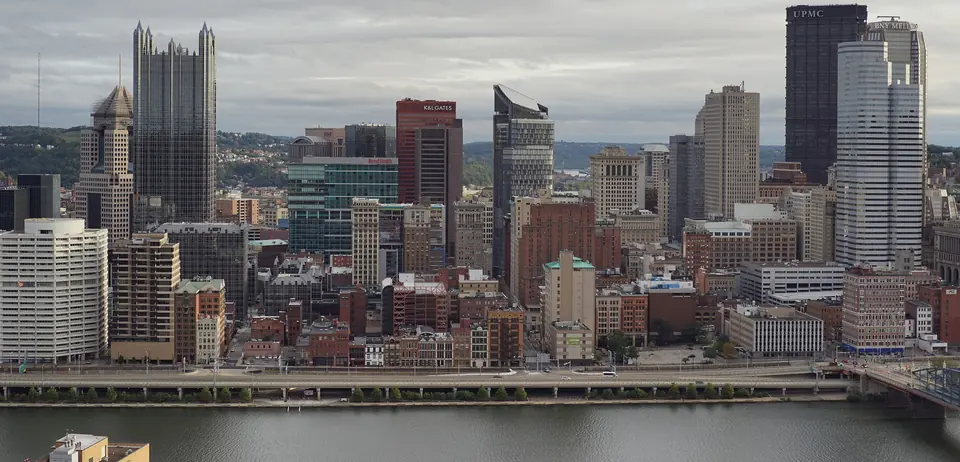
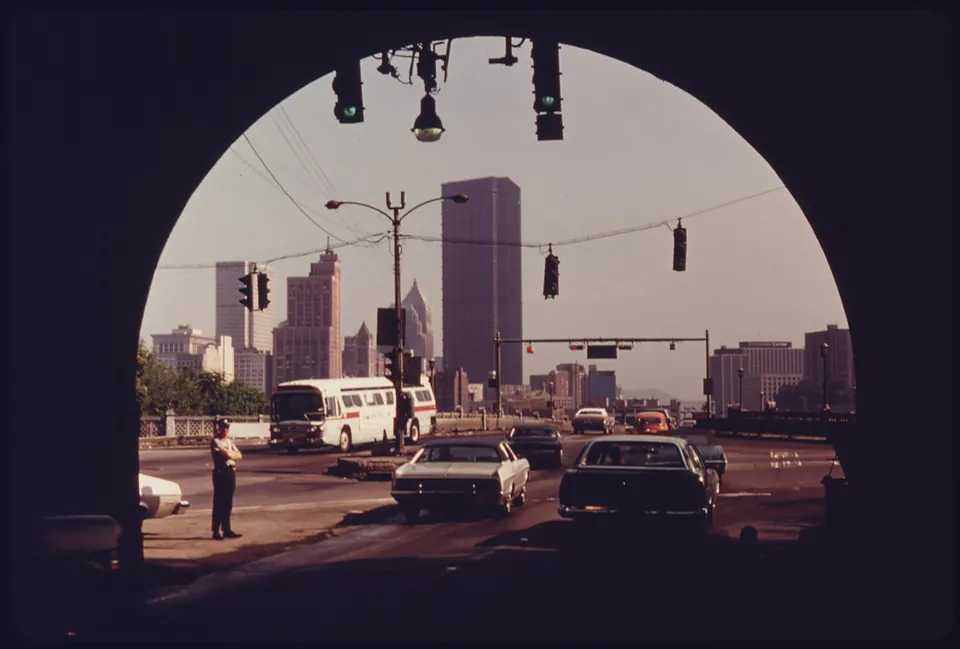
Long climbs, stop and go traffic at the tunnels and the cold all burn fuel faster than the gauge suggests. A car crawling toward the Fort Pitt or Squirrel Hill Tunnel at rush hour can drop to empty on what was supposed to be a short drive.
Hills do it too. Fuel sloshes away from the pickup on a steep grade, so a car on a low tank can stall climbing a South Side slope and restart on flat ground.
Gas stations are thin on some stretches, including the Parkway East through the Squirrel Hill Tunnel and parts of PA 28. Fill up before the tunnel, not after.
What should I do if I run out of gas on the Parkway?
Coast to the right shoulder while the car still moves, put the hazards on and stay in the car with your belt on. If the car stops in a travel lane or a tunnel, call 911 first. Then call for fuel with your direction and the last exit.
Walking to a station along a Pittsburgh parkway is dangerous. The shoulders are narrow and the exits are far apart through the rock cuts.
If you have a triangle, set it behind the car. With the hazards on, that's two of the markers Pennsylvania's Move Over law looks for.
Can an EV be helped if the battery runs out?
An electric car that has run its battery down usually needs a flatbed tow to a charger, not fuel. Tell the operator the car is electric and the model, because many EVs shouldn't be towed with their drive wheels on the ground.
Hybrids are different. Most will run on gas if the tank has some fuel, so a gas delivery may get a hybrid going again.
For a dead 12-volt battery in an EV, which shuts off the whole car, a jump or battery replacement may be enough.
How much fuel is brought to the car?
Enough to reach a station safely, usually a few gallons. The operator asks where the nearest open station is on your route and makes sure the car has more than enough to get there, including any climb along the way.
Ask for the price of the fuel and the service call on the first call so there are no surprises.
If you have a long drive ahead, fill the tank at the first station you reach rather than counting on the delivered fuel.
What if the car won't start after fuel is added?
Some cars need several turns of the key, or a few cycles of the ignition, to push fuel back up to the engine after running dry. If it still won't start, the problem may be the fuel pump, a clogged filter, or a dead battery from all that cranking.
Fuel pumps are cooled by the fuel around them. Running a tank dry, especially more than once, can wear a pump out early.
If the car still won't start, the choice is a jump if the battery is the issue, or a tow to a shop.
Can fuel be delivered to a driveway or parking garage?
Yes. A driveway, a street or an open lot is straightforward. In a parking garage, give the level and the clearance height; most service vehicles fit, but some garages don't allow fuel cans inside, so the car may need to be pushed to the exit.
At home, the operator needs to reach the fuel door. Move any car blocking it if you can.
In a store or office lot, tell the operator which entrance to use and where the car is parked.
How can I avoid running out of gas on a Pittsburgh commute?
Treat a quarter tank as empty in winter and before any drive through the tunnels. Fill up before the Parkway East or West at rush hour, and know where the stations are on your route, because some stretches go a long way without one.
A car's distance to empty readout is an estimate based on recent driving. Climbing hills or sitting in tunnel traffic burns fuel faster than that number expects.
If the fuel light comes on in the tunnel backup, turn off the air conditioning, keep a steady crawl, and take the first exit with a station.
What else can be handled on the same visit?
If the car ran low because a warning light distracted you, or the battery is weak after sitting, mention it. A jump, a tire change and a fuel delivery can often be done on one visit, which is quicker than a second call.
See flat tire repair, battery replacement and emergency roadside assistance for what each one involves.