When does a breakdown need a tow instead of roadside help?
A car needs a tow when the problem can't be fixed where it stands: engine, transmission, brake, steering or cooling failures, a wheel damaged beyond a spare, or a car that won't start after a jump. A crash with damage to the car is also a tow.
Steam from the hood, a grinding noise, a warning light followed by power loss, or a car that won't shift out of park all point to a tow. So does a smell of burning oil or coolant.
If the operator thinks a roadside fix might work, they will say so. A jump start or tire change is quicker than a tow when it solves the problem.
Where can my car be towed?
To any shop, dealer or address you choose within the service area, or to a nearby shop if you don't have one. Decide before the car is hooked up, and confirm the shop is open. Many close on Sundays and won't accept a car after hours.
Some shops have a drop box for keys. If yours does, ask the shop to expect the car. If it doesn't, having the car towed home and to the shop the next day may be the better plan.
Ask for the tow price, including the distance, on the first call.
If you don't have a shop, ask the operator for an open one near your home or work. Saying what you think is wrong helps pick a shop that handles it: transmission work, for example, isn't done everywhere. And if the car is going to a dealer for repair under the car's factory coverage, have the dealer's address ready before the truck arrives.
What kind of tow truck will come?
Most cars and light trucks go on a flatbed, which carries the whole vehicle off the ground. All-wheel drive cars, EVs and many automatics should go on a flatbed. A wheel-lift tow is used for short moves and for cars in tight spaces.
Tell the operator if the car is all-wheel drive or four-wheel drive, electric, lowered, or has a damaged wheel. Each of those changes the truck.
Low parking garages are a problem for flatbeds. If the car is on an upper garage level, the operator may send a smaller unit to bring it down first.
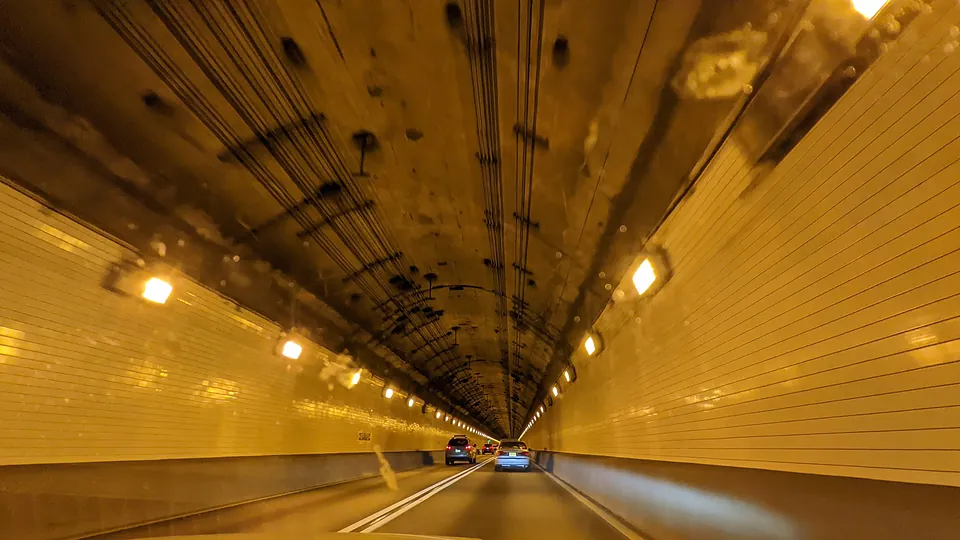
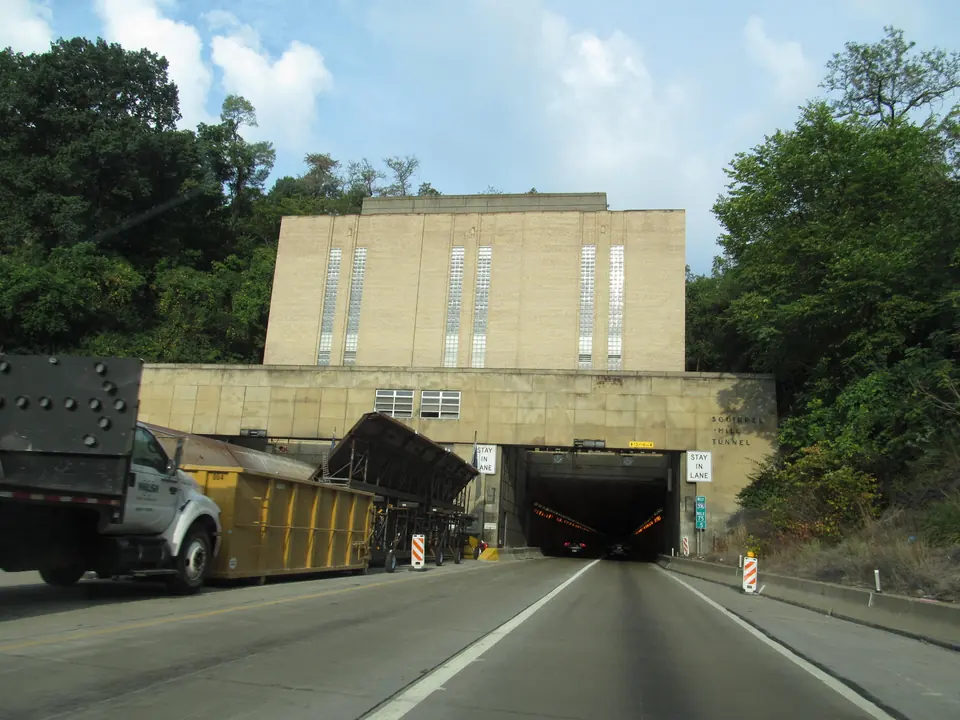
Can you tow from a tunnel, a bridge or the Parkway?
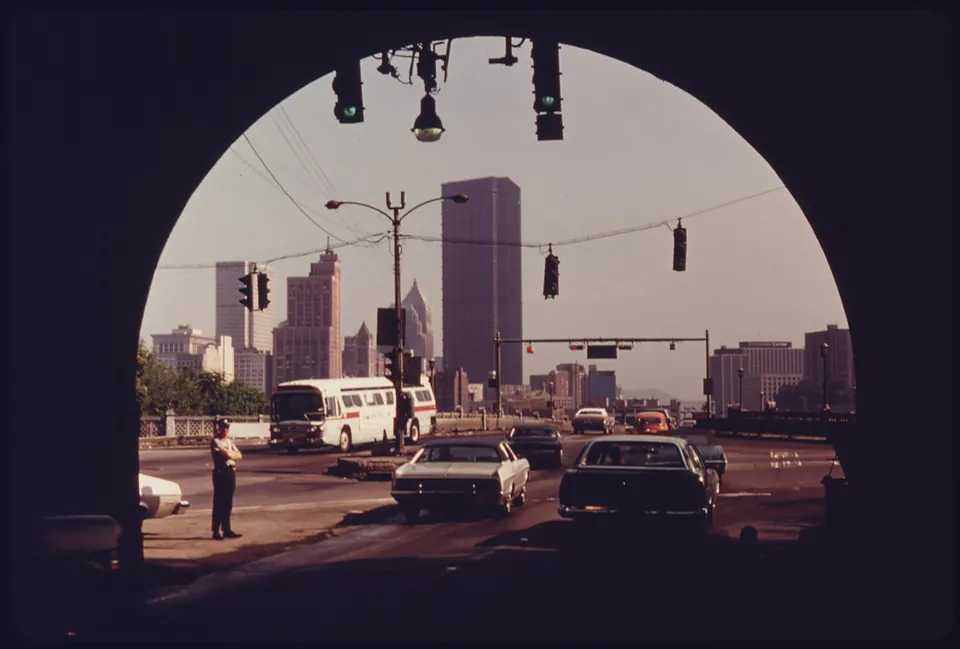
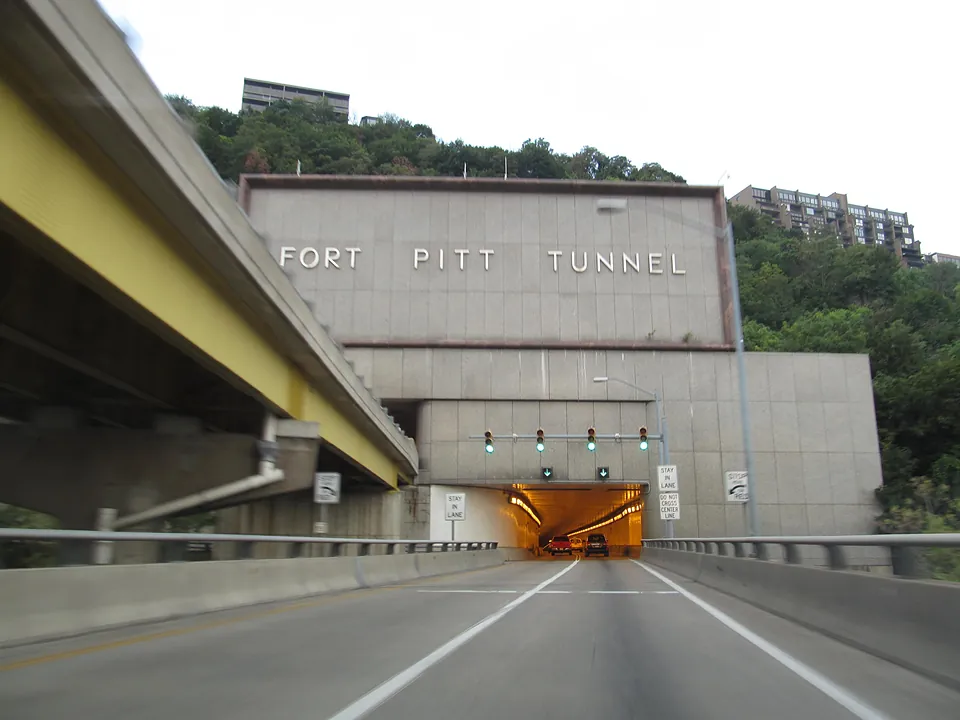
A car stopped in a tunnel or on a bridge deck is handled by 911 and the PennDOT and police crews that work those roads. On a parkway shoulder, a roadside truck can tow the car once it's safe to work there.
The tunnel and bridge guide covers what to do in the moments before help arrives.
After a crash, police may call the tow truck for you. You can still say where you want the car to go.
Can I ride along in the tow truck?
Often, yes, with room for one or two passengers in most trucks. Ask on the call so the operator knows how many people need a ride. Children need car seats in the cab, which most tow trucks don't carry.
If you can't ride along, arrange a ride first and leave the keys with the driver. Take valuables, the garage opener and any child seats out of the car before it goes.
Can you tow a motorcycle?
Yes, with the right equipment. A motorcycle needs a flatbed with a wheel chock and soft straps, not a standard car hook. Say it's a motorcycle on the call, along with the make and whether it's damaged, so the right truck is sent.
Remove saddlebags and loose items if you can. Leave the key with the driver.
A bike that has been down after a crash should be checked before it's ridden again, so a tow to a shop is the safer call.
How do tows from parking garages work?
Give the garage name, the level and the posted clearance height. Many Downtown and Oakland garages are too low for a flatbed, so the car may be moved down by a smaller unit or rolled to the exit first. Tell the garage attendant a tow is coming.
If the car is on a sloped ramp, the operator may winch it out rather than drive it. Have the key and the parking ticket ready, since you may need to pay before the car can leave.
Ask the garage whether there's a tow fee or a gate code. That saves time when the truck arrives.
Can a car that has been sitting for months be towed?
Yes. Cars that have sat for a long time often have flat tires, seized brakes or a dead battery, so the operator brings the right tools and usually uses a flatbed. Say how long the car has sat and whether the wheels turn.
Clear a path to the car and make sure the truck can reach it. A car in a backyard or behind a fence may need to be pulled out with a winch first.
If you're moving a car you just bought, have the title or bill of sale with you.
What should I know about towing after a crash?
If police respond to a crash, they may call a tow for any car that can't be driven. You can usually still say where you want the car to go. Get the tow company's name and where the car is being taken before it leaves.
Take photos of the scene and the damage before the car is moved, as long as it's safe to do so.
Call your insurance company as soon as you can. They may have a preferred shop, which affects where the car should be towed.
How do I get ready for the tow?
Take valuables, documents and the garage opener out of the car. Note the mileage and take a few photos of the car before it's loaded. Leave the key for the driver and the shop, and write down the destination address.
If the car is in a lot or driveway, clear any vehicles blocking it. If it's in a garage, find the clearance height and level.
Then call the shop to say the car is coming. For roadside fixes that might avoid the tow, see emergency roadside assistance and fuel delivery.